Roof Replacement in Wickliffe from $8,500. $10,000 to $14,500 on a typical Cleveland-area house -- and a permit that will not issue to an unregistered contractor. Free inspection and a written quote.
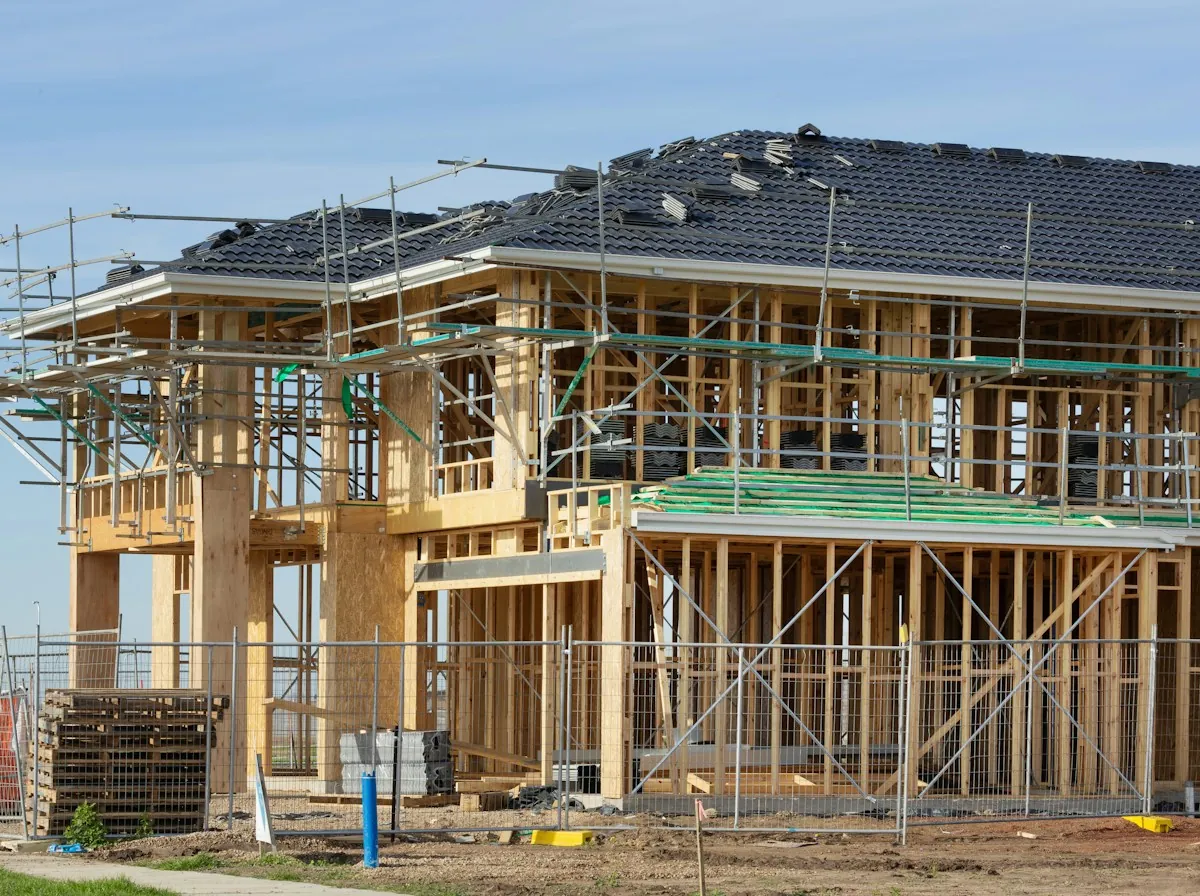
Small roofs on close-set Lake County lots, which keeps the material cost at the bottom of the range and makes access and staging a real line in the price. Where the house is two-family, the party wall abutment is the detail that decides whether the job is simple.
Most Greater Cleveland houses between 1,500 and 2,500 square feet land at $10,000 to $14,500 for a full replacement in architectural asphalt, with the wider local range running $8,500 to $21,000. Per square foot that is $3.50 to $8.00 depending on product and complexity, with architectural asphalt typically $5.00 to $6.70.


Most Greater Cleveland houses between 1,500 and 2,500 square feet land at $10,000 to $14,500 for architectural asphalt, with the wider local range $8,500 to $21,000. Per square foot that is $3.50 to $8.00 depending on product and complexity. On top of the roof itself, a Euclid job needs a permit, and the permit needs a registered contractor. Small roofs put the material cost at the bottom of the range and push access and staging up as a share of it. On two-family houses the party wall abutment is priced as its own detail rather than absorbed into the slope.
A simple accessible roof with a driveway to work from, one existing layer to come off, and a deck that turns out sound. Post-war stock inland tends to tick all three.
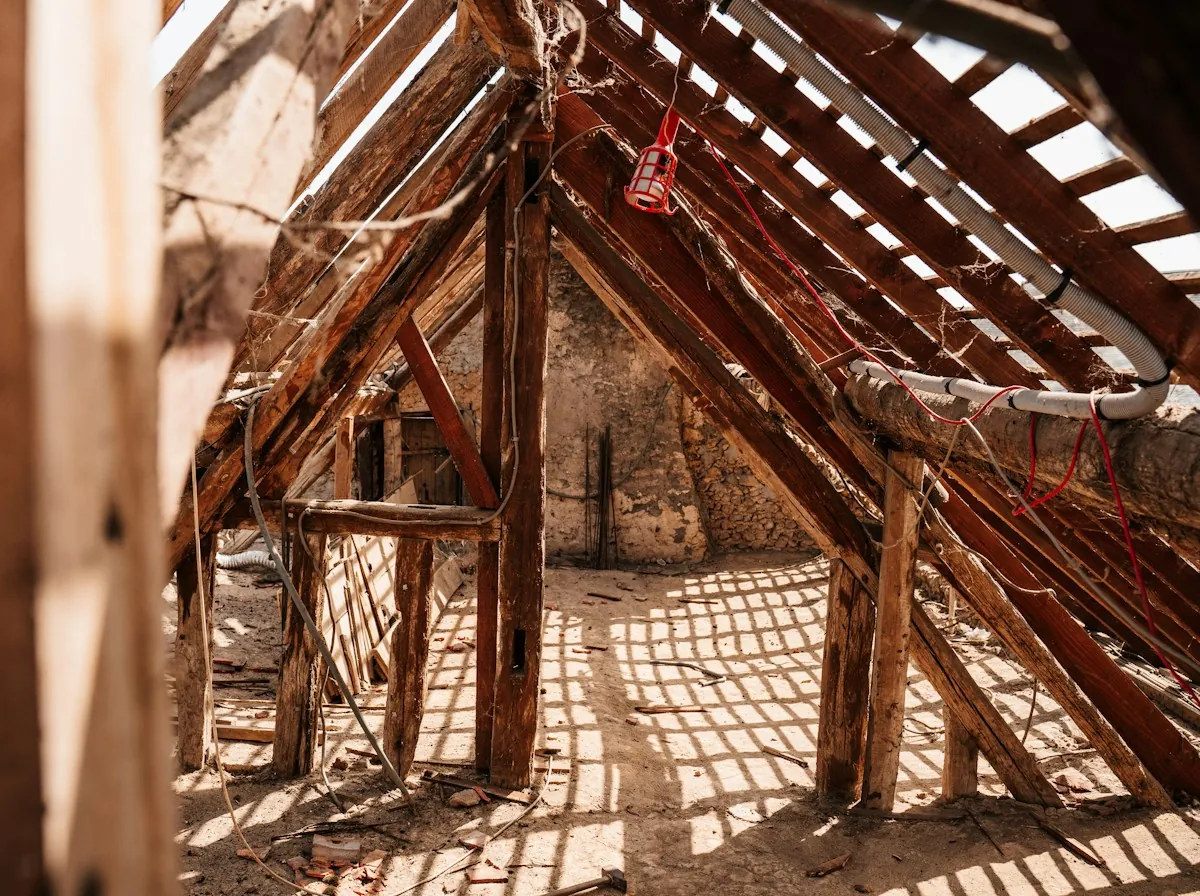
Pitch and geometry, a second covering, board sheathing that has to be made good rather than nailed into, and exposure -- a shore-street roof wants fixings and edge detail that an inland one does not.
How decking replacement is priced. It belongs in the scope as a rate per sheet, because nobody knows how much has softened until the covering is off, and a lump figure is a guess in one direction or the other.
A small Lake County city just east of Euclid, set slightly back from the shore, developed around the same industrial period as its neighbor.
Modest post-war and late pre-war housing on small lots, with a good deal of two-family stock and simple roof shapes.
Small roofs on close-set lots, which keeps the material cost down and makes access and staging a real part of the price. Where the house is two-family, the party wall abutment is the detail worth looking at hardest.
Another Lake County department again -- neighboring cities do not share a registration, however close they are.
Worth knowing before you start ringing round, particularly if this started in January.
Lake-effect snow falls heavier here than a few miles inland and, more importantly, it LIES. A roof carries that load for weeks, the melt-refreeze cycle runs over and over at the eaves, and the ceiling below reports the whole winter's work during the first proper thaw. Which is why the calls arrive in a cluster, in the same two weeks, right across the city at once.
Small simple slopes on modest houses, so material is a smaller share of the job than usual and labor and access a bigger one.
Small flat areas squeezed between close-set houses, where the practical question is how a roll of membrane and a crew get to them at all.
Permit required, and registration with it.
Inter-war roofs. More geometry than square footage.
Post-war and simple. Layer count is the variable.
Streets that age together, and work that arrives in waves.
House roofs and parapet roofs, streets apart.
Lake County, and the heaviest exposure here.
Lakefront. Wind loading is the design case.
The questions this job turns on, answered up front.
Only where it has actually softened, and as a rate per sheet in the written scope rather than a lump guess. On the older stock here the deck is frequently board sheathing rather than plywood, which holds a nail differently, so it is established by lifting and looking before anything is specified on top of it.
Only over one existing layer, on a sound deck -- and in this climate it is usually the wrong call anyway. An overlay buries the eaves detail, so if there was never adequate ice barrier down there, an overlay guarantees there still is not. On a lake-shore roof that is the saving most likely to be regretted.
Rarely the full term, and less often here than most places. The rating describes the material under test conditions, not a roof on a particular house in a particular climate. On this shore the governing factors are the melt-refreeze cycle at the eaves, roof space ventilation, and how well the thing was nailed on day one. A 30 year product commonly gives 20 to 25 real years in the snowbelt, and a roof nailed badly is on a shorter clock from the moment it went on.
It is a Florida rule and it has no force in Ohio. The 25% rule comes from the Florida Building Code Existing Building, where repairing or replacing more than a quarter of a roof within a year can require the whole roof to be brought up to current code. Ohio has no equivalent provision. It shows up in searches here because national content repeats it without saying which state it belongs to -- and anyone quoting it at you in Ohio is citing the wrong code book.
It depends on the municipality, and in Euclid the answer is yes -- a roof replacement needs a building permit from the Building and Housing Department. That matters beyond the paperwork: the permit is the point at which the city checks that your contractor is registered with it, so skipping the permit removes the only formal check in the process. It also leaves unpermitted work on the property, which surfaces awkwardly when the house is sold.
Registration verifiable with the city before anybody starts. The permit taken out properly, because Ohio requires one here.