Roof Replacement in Willowick from $8,500. $10,000 to $14,500 on a typical Cleveland-area house -- and a permit that will not issue to an unregistered contractor. Free inspection and a written quote.
Lake County, so a different building department and a different registration from Euclid's -- and the heaviest lake exposure on this site. Compact post-war roofs close to the water take wind at the edges and lake-effect snow at the top of the local range, which puts the whole argument at the eaves.
Most Greater Cleveland houses between 1,500 and 2,500 square feet land at $10,000 to $14,500 for a full replacement in architectural asphalt, with the wider local range running $8,500 to $21,000. Per square foot that is $3.50 to $8.00 depending on product and complexity, with architectural asphalt typically $5.00 to $6.70.


Most Greater Cleveland houses between 1,500 and 2,500 square feet land at $10,000 to $14,500 for architectural asphalt, with the wider local range $8,500 to $21,000. Per square foot that is $3.50 to $8.00 depending on product and complexity. On top of the roof itself, a Euclid job needs a permit, and the permit needs a registered contractor. Lake County fees and a Lake County registration, plus the heaviest exposure on this site. Expect the specification at the edges -- starter course, rake detail, nailing pattern -- to carry more of the price than it would inland.
A simple accessible roof with a driveway to work from, one existing layer to come off, and a deck that turns out sound. Post-war stock inland tends to tick all three.
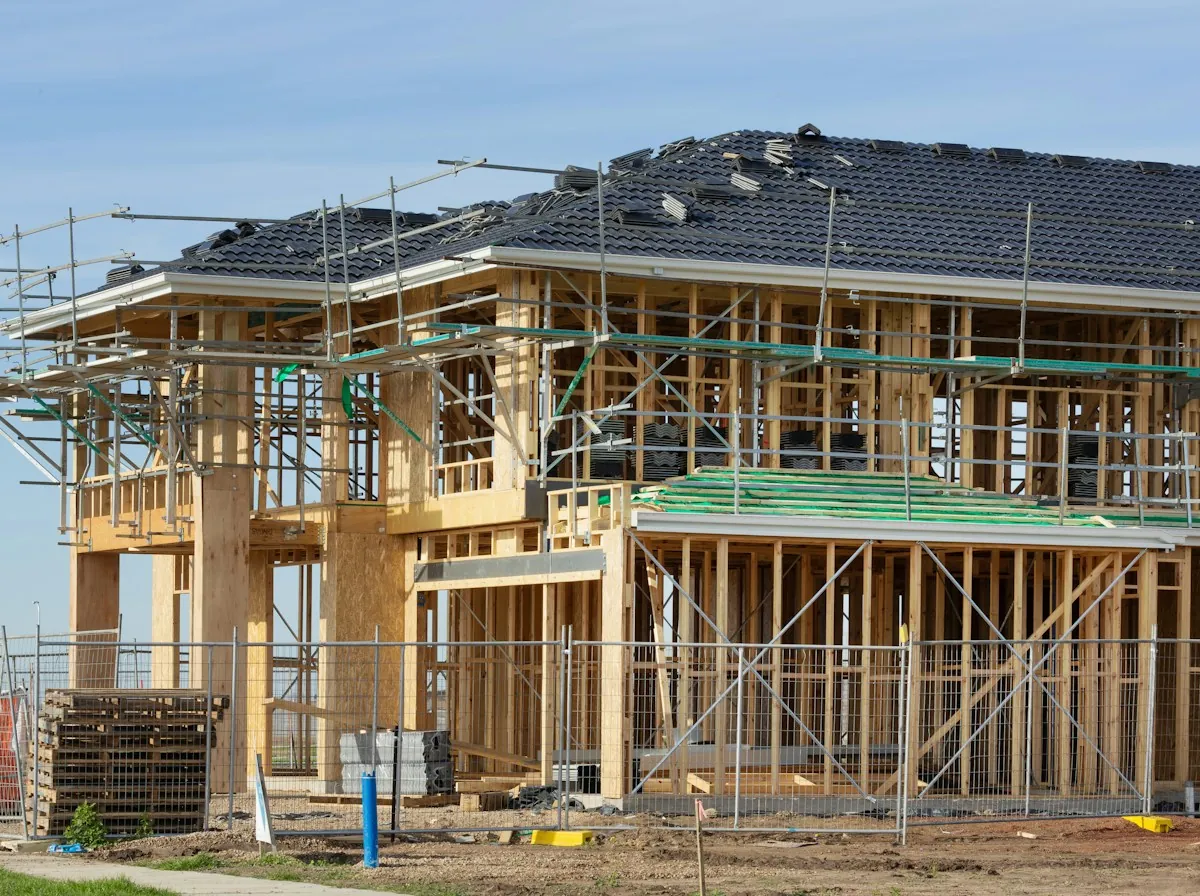
Pitch and geometry, a second covering, board sheathing that has to be made good rather than nailed into, and exposure -- a shore-street roof wants fixings and edge detail that an inland one does not.
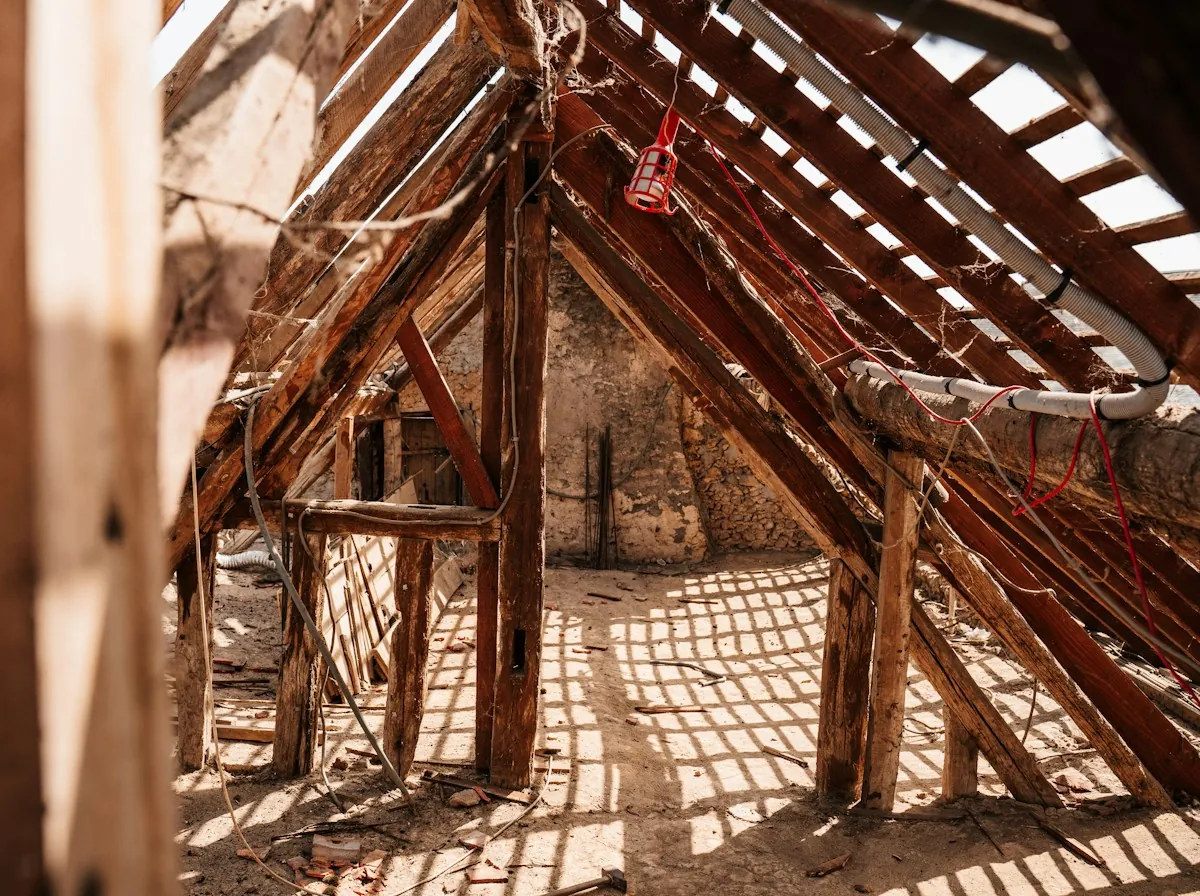
How decking replacement is priced. It belongs in the scope as a rate per sheet, because nobody knows how much has softened until the covering is off, and a lump figure is a guess in one direction or the other.
A LAKE COUNTY city immediately east of Euclid along the shore, developed rapidly in the post-war decades as Cleveland pushed east.
Compact post-war housing on a tight grid close to the lake -- ranches and capes on small lots, many within a few streets of the water.
Different county, different building department, and the heaviest lake exposure on this site. Wind off the water gets under edges first, and the lake-effect snow totals here are at the top of the range for this service area.
Crossing from Cuyahoga into Lake County changes the building department, the registration and the fee schedule -- the code is the same, the paperwork is not.
It takes one phone call, it costs nothing, and it works on us exactly as well as on whoever else quoted.
The Ohio Construction Industry Licensing Board licenses electrical, HVAC, hydronics, plumbing and refrigeration contractors. Roofing is not among them and never has been. A roofer telling you they are 'state licensed' in Ohio is describing something that does not exist for their trade.
A roof replacement in Euclid needs one. The permit is the point at which registration gets enforced, so a contractor who would rather skip the permit is skipping the only check in the process -- and leaving you with unpermitted work on the house when you sell it.
Registration does not travel. A firm registered in Euclid is not thereby registered in Willowick, and Willowick is not even in the same county. Always ask whether they are registered where YOUR house is.
Wind off the lake is the governing load on a Willowick shingle roof, and wind gets under edges.
A flat roof taking wind off the lake needs its perimeter fixed for uplift rather than merely adhered, because the edge is where a membrane starts to go.
Permit required, and registration with it.
Inter-war roofs. More geometry than square footage.
Post-war and simple. Layer count is the variable.
Streets that age together, and work that arrives in waves.
House roofs and parapet roofs, streets apart.
Small lots, two-family roofs, its own registration.
Lakefront. Wind loading is the design case.
The questions this job turns on, answered up front.
Only where it has actually softened, and as a rate per sheet in the written scope rather than a lump guess. On the older stock here the deck is frequently board sheathing rather than plywood, which holds a nail differently, so it is established by lifting and looking before anything is specified on top of it.
Only over one existing layer, on a sound deck -- and in this climate it is usually the wrong call anyway. An overlay buries the eaves detail, so if there was never adequate ice barrier down there, an overlay guarantees there still is not. On a lake-shore roof that is the saving most likely to be regretted.
On Greater Cleveland rates a 1,500 square foot roof works out at roughly $5,250 to $12,000 depending on product and complexity, and most land nearer $10,000 once tear-off, ice barrier and a permit are included. One frequent source of confusion: 1,500 square feet of FLOOR is not 1,500 square feet of roof. Pitch, overhangs and dormers commonly make the roof area a third larger, which is why quotes can look inexplicably far apart.
Rarely the full term, and less often here than most places. The rating describes the material under test conditions, not a roof on a particular house in a particular climate. On this shore the governing factors are the melt-refreeze cycle at the eaves, roof space ventilation, and how well the thing was nailed on day one. A 30 year product commonly gives 20 to 25 real years in the snowbelt, and a roof nailed badly is on a shorter clock from the moment it went on.
No. Ohio issues no state roofing license at all. The Ohio Construction Industry Licensing Board licenses five trades -- electrical, HVAC, hydronics, plumbing and refrigeration -- and roofing has never been among them. From 1 January 2026 there is a statewide home improvement contractor registration for residential remodelling, repair and renovation on one-, two- and three-family dwellings; whether a particular roofing job falls inside it is a question for the board. What is certain is that the city you live in almost certainly requires the contractor to be registered with IT before it will issue a permit, and that is the credential worth checking.
Registration verifiable with the city before anybody starts. The permit taken out properly, because Ohio requires one here.